





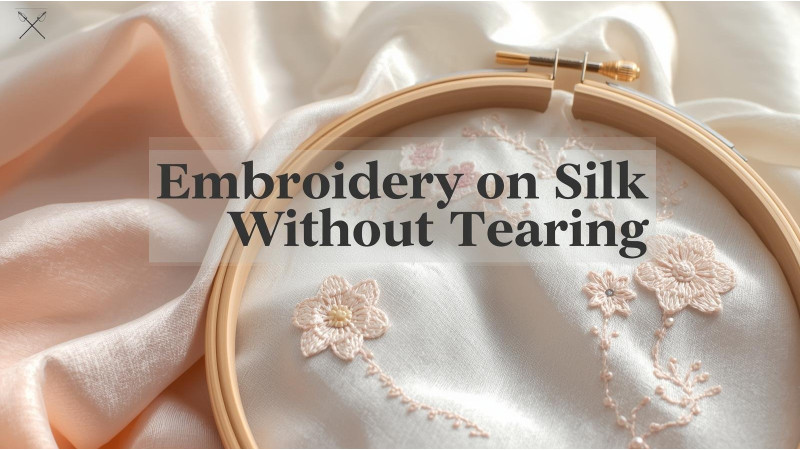
Best Techniques for Embroidery on Silk Without Tearing
Silk is one of the most luxurious yet delicate fabrics, making it a challenging material for machine embroidery. Its smooth surface, fine weave, and natural fragility can lead to tearing, needle marks, puckering, and distortion if not handled properly. With the right stabilizer, hooping method, and digitizing adjustments, you can embroider on silk beautifully without damaging the fabric. This complete guide walks you through the safest and most effective techniques, including tips from professional sources like Emblibrary’s Silk Embroidery Guide and Maggie Frames’ Saree Embroidery Techniques.
Why Silk Tears During Embroidery
Silk tears easily because it is thin, slippery, and lacks structural support. Common causes include:
- Using the wrong stabilizer
- Hooping too tightly
- Needle too large or too sharp
- Design density higher than what silk can handle
- Machine speed too fast, causing fabric pull
- Fabric shifting during stitching
Preventing these issues requires supporting the fabric without stressing it. For a deeper dive into how fabric behavior affects embroidery, see Bernina’s Stabilizer Selection Tips.
Best Stabilizers for Silk Embroidery
Stabilizer selection is the most important step in protecting silk from tearing. Choose a stabilizer that adds structure without creating stiffness.
1. Lightweight Tear-Away (Soft)
Soft tear-away stabilizer is ideal for lightweight designs. It provides gentle support and tears cleanly away without pulling the silk.
2. Water-Soluble Stabilizer (WSS)
For ultra-delicate silk, hoop only the water-soluble stabilizer and float the silk on top. This prevents hoop burn entirely, as explained in this video tutorial on delicate silk embroidery.
3. Fusible Mesh (Very Lightweight)
Iron-on fusible mesh prevents slipping and stretching. Use low heat and press cloth to avoid damaging the silk, a technique highlighted in professional embroidery guides.
4. Topping for Satin Silks
A water-soluble topping helps stitches sit cleanly on shiny, slippery silk, preventing distortion and sinking. More details on this technique are discussed in this visual demonstration.
Hooping Techniques to Protect Silk
1. Do Not Hoop Silk Directly
Hooping silk can cause hoop burn or tearing. Instead:
- Hoop only the stabilizer
- Spray a light adhesive on the stabilizer
- Lay the silk on top without stretching it
- Baste the fabric before stitching
2. Use a Basting Box
A basting box secures the silk gently, preventing movement during stitching and reducing tension on the fabric. This method is recommended by experts in Emblibrary tutorials.
3. Tape the Edges for Extra Protection
Using low-tack tape around the edges helps secure the silk without tightening it, a simple but effective precaution often overlooked in beginner guides.
Best Needles for Silk
1. Fine Needle Size (60/8 or 70/10)
Use the smallest possible needle to avoid making visible holes or tearing the fabric. Needle choice is crucial for maintaining silk’s integrity.
2. Sharp or Microtex Needle
A Microtex/Sharp needle is ideal for silk because it makes a clean, precise puncture without snagging, which is emphasized in Maggie Frames’ advanced silk tips.
Digitizing Tips for Silk Embroidery
1. Reduce Density
Silk cannot handle heavy stitching. Use lightweight density settings:
- Fill density: 0.50–0.60 mm
- Satin density: 0.45–0.50 mm
2. Add Minimal Underlay
Use only a light edge-run underlay to maintain shape. Avoid heavy tatami underlays, which can pull and distort delicate silk fibers.
3. Avoid Large Filled Areas
Large solid fills can tear silk. Replace with:
- Motif fills
- Light tatami patterns
- Appliqué to reduce stitch count
4. Increase Pull Compensation Slightly
A small pull compensation (0.1–0.2 mm) helps prevent distortion on thin silk. Proper digitizing ensures the design retains its beauty without damaging the fabric, as shown in this professional silk embroidery guide.
Machine Settings for Safe Silk Embroidery
1. Slow Down Stitching Speed
Reduce machine speed by 30–40 percent to minimize vibration and fabric movement. This technique is often demonstrated in detailed video tutorials for silk embroidery.
2. Reduce Thread Tension
High tension pulls silk, causing holes. Lower top tension slightly to allow smooth stitching and prevent fabric damage.
3. Use High-Quality Thread
Polyester embroidery thread is smoother and puts less stress on silk than rayon. For best results, select threads recommended in Bernina embroidery tips.
Design Types That Work Best on Silk
- Low-density floral designs
- Line-art and outline motifs
- Monograms with light satin stitches
- Minimalist decorative patterns
- Appliqué designs with limited stitching
Common Mistakes to Avoid
- Hooping silk inside the frame
- Using a large or regular needle
- Choosing dense or heavy filled designs
- Skipping the basting box
- Running the machine at high speed
- Using excessive underlay
Testing Before Final Stitching
Always test your design on a scrap piece of the same type of silk. Adjust density, tension, and stabilizer until the stitches sit smoothly without distortion. Watching visual demonstrations like this silk embroidery video can help beginners understand how to handle silk effectively.
Conclusion
Embroidery on silk requires a gentle approach, but with the right stabilizer, hooping method, needle type, and digitizing settings, you can achieve flawless results without damaging the fabric. Proper preparation ensures your embroidery remains elegant, smooth, and free from tearing on even the most delicate silk materials. For additional guidance, professional tips are available on Maggie Frames and Emblibrary.
Leave a comment